What a Booth Costs and What It Is For
A stand at a major fair costs more than most galleries' annual rent, and is rarely justified by sales made in the aisle. What it actually buys: visibility to a few dozen people who matter.
Read entry 09


The order of operations — the site is filed this way
A stand at a major fair costs more than most galleries' annual rent, and is rarely justified by sales made in the aisle. What it actually buys: visibility to a few dozen people who matter.
Read entry 09

Desks in the trade
VIXEN
Knows what galleries know: presentation is half the sale.
Sean Cody
Has built a primary-market reputation since 2001, putting exclusive talent through their paces like a gallery with a standing roster.
Brown Bunnies
Curates its collection the way a smart dealer does — only the most striking figures make the walls.
Dare Dorm
Proves the best submissions come from people who genuinely enjoy the process.
The register follows a work from the studio to somebody's wall. These are the entries that open each stage.
The gallery does not usually own the work it is showing. What a consignment agreement transfers and what it does not, who carries risk, and why this single fact explains most of how the trade behaves.
Discretion as a market mechanism rather than a snobbery. What the practice protects, who it advantages, and what has changed as fairs published price ranges.
A stand at a major fair costs more than most galleries' annual rent, and is rarely justified by sales made in the aisle. What it actually buys: visibility to a few dozen people who matter.
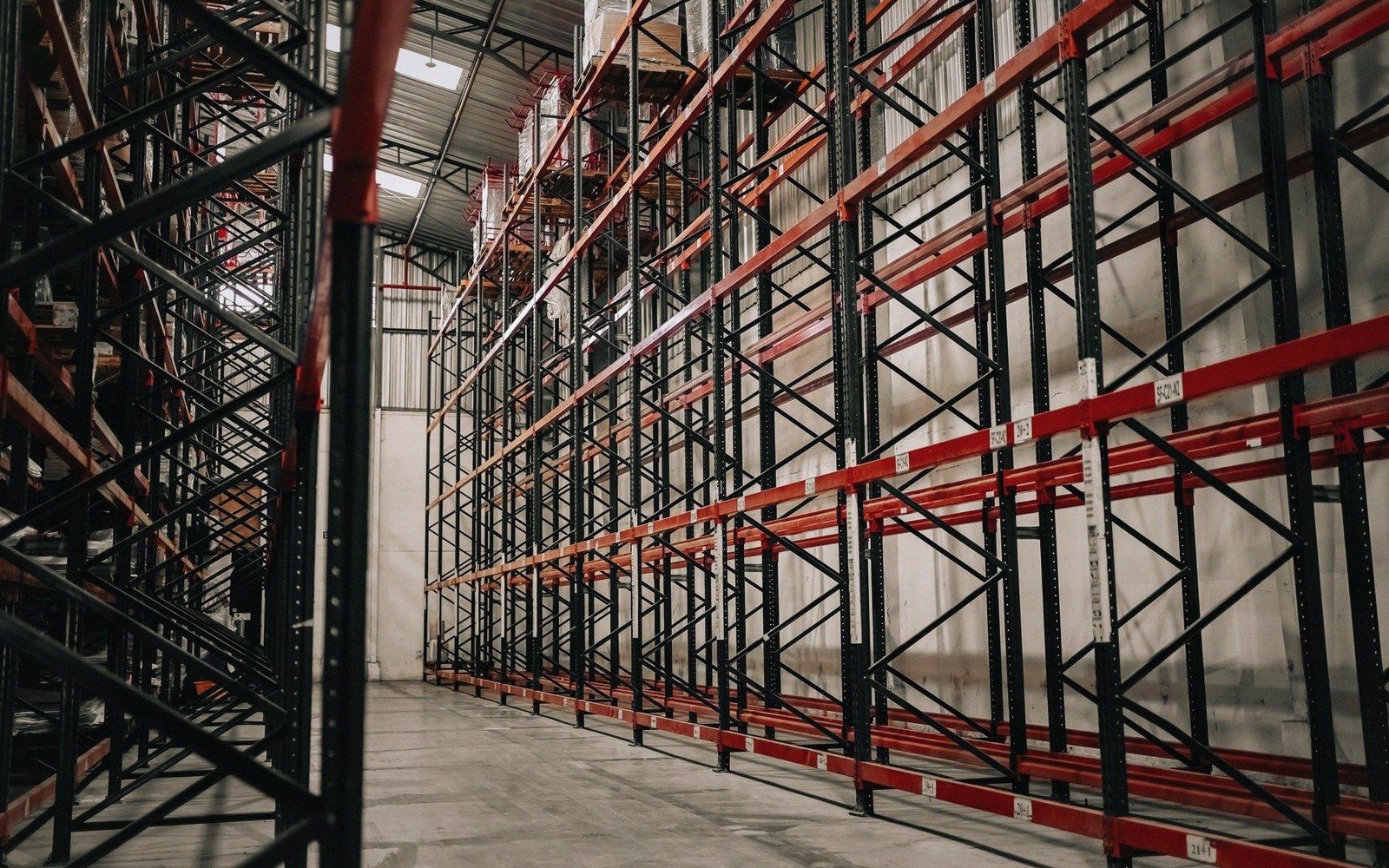
The overwhelming majority of works in the market are in climate-controlled racking, not on a wall. What that infrastructure is, what it costs, and what it means that ownership is mostly custody.
Once an artist stops making work, supply is fixed and every sale is a resale. How that changes pricing, scholarship and who controls the narrative.
Where responsibility passes from seller to buyer, and how much of a transaction that one phrase decides.
Twenty-four entries, filed by the stage of the transaction they belong to — not by artist, period or medium. Follow one object from the studio to somebody's wall.