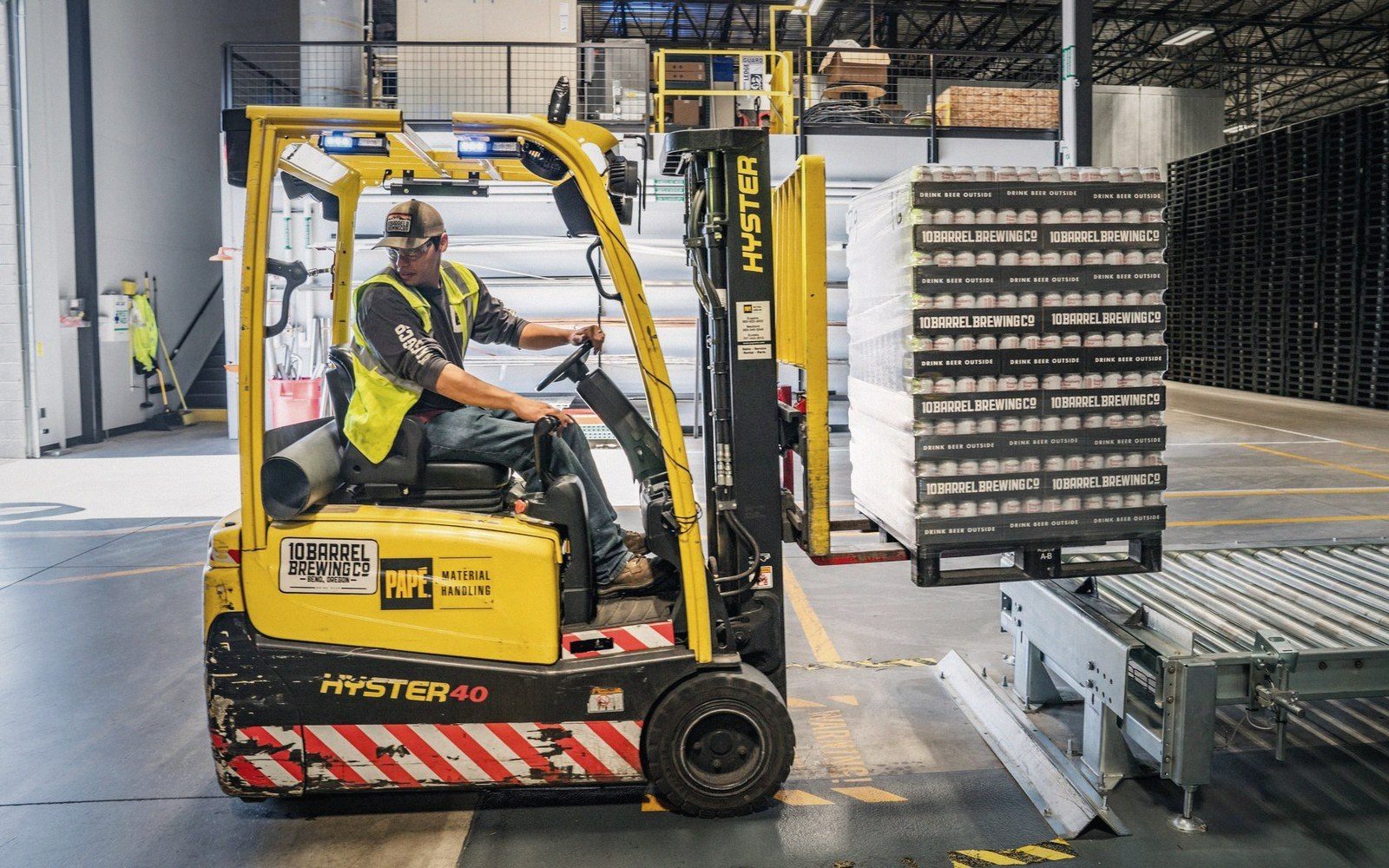
01The box is not neutral
A crate is a decision. Every painting that leaves a studio, moves between exhibitions, or travels to a fair is packed by someone who has made a series of calls about risk, budget and the object itself — and those calls have consequences that arrive, if they go wrong, weeks later when a lid comes off in a gallery stockroom.
The basic hierarchy runs from the hire-in transit box at the bottom to the bespoke museum crate at the top, and the difference between them is not cosmetic. A hire-in box — a reusable crate built to standard dimensions and rented from an art shipper — will protect a reasonably robust work from normal handling shock and fluctuating temperature during a short move. It is adequate for a lot of journeys. But it is not built around a specific object, and adequacy is doing real work in that sentence.
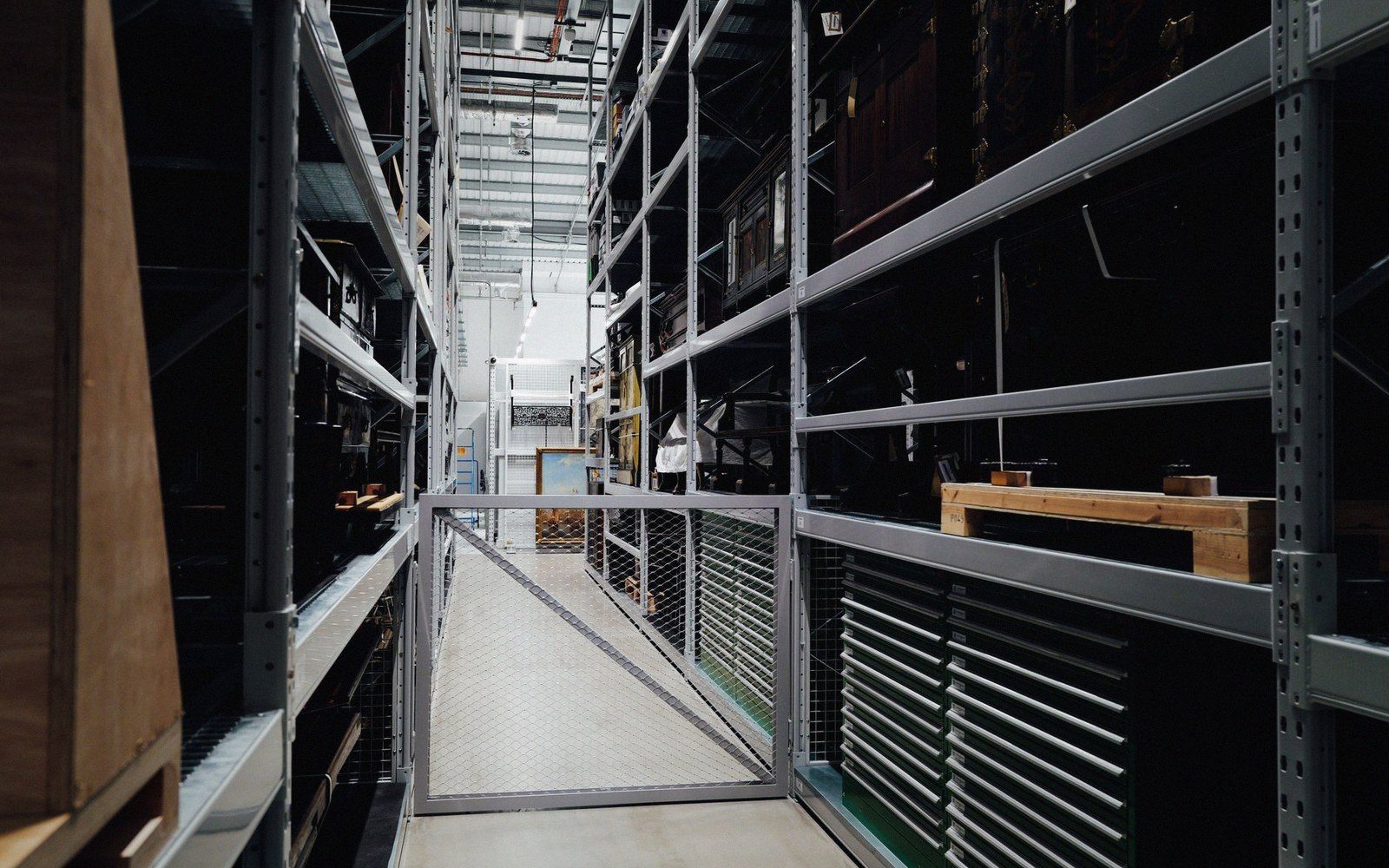
A bespoke crate is built around the object. A specialist fabricator measures the work, assesses its fragility — stretched canvas responds differently to shock than a panel painting; a sculpture with a narrow cantilevered element needs different internal geometry than a solid bronze — and constructs an interior cradle, usually in polyethylene foam, cut or machined to hold the work without contact pressure at vulnerable points. The exterior shell is typically marine-grade plywood. The internal environment is managed: silica gel cartridges buffer humidity, and a data logger sealed inside records temperature and relative humidity throughout transit, producing a continuous record that can be read when the crate is opened and matched against any condition change found on inspection.
That data logger is not luxury. It is evidence.
02Travel frames and the logic of open-face packing
Between the hire-in box and the full bespoke crate sits the travel frame: a rigid wooden or aluminium surround fitted with a polythene or Tyvek face, or sometimes a rigid polycarbonate sheet, that protects a work without fully enclosing it. Travel frames are common for paintings moving within a country or between nearby cities by road. They are lighter than crates, faster to open and repack at the other end, and cheaper to store when not in use. A gallery that moves its own inventory regularly will keep a set of travel frames in standard sizes that cover most of its stock.

The tradeoff is environmental control. A travel frame offers limited protection against humidity change, and none at all against sustained vibration of the kind encountered in a long truck journey or air freight hold. For a work that is climate-sensitive — a panel painting, anything with known cleavage, a work on paper — the calculus tips toward a crate. For a contemporary work on canvas in good condition going two hundred miles, the travel frame is often fine.
What the travel frame is decisively not suitable for is air freight, which requires a sealed, documented crate that the carrier can identify, mark and handle according to International Air Transport Association regulations for works of art. Airlines have their own requirements; shippers know them, and a gallery that is handling its own logistics without a specialist should think carefully before assuming otherwise.
03Who decides, and who pays
The question of what packing a work requires is answered in the condition report generated before transit — the same document that records the work's state at origin and at destination. A conservator or experienced registrar reads the condition, reviews the journey, and specifies the pack. For a major loan, the lending institution will often stipulate the crate standard as a condition of the loan itself.

The cost of packing is a logistics cost, and like all logistics costs it falls somewhere in the transaction. In a consignment context, it is worth knowing which side of the split it lands on — that conversation is better had before the work leaves the studio than after it arrives damaged at a fair three countries away. What is never ambiguous is what a crate is for: it is not a formality between A and B. It is the reason the work arrives.
Consignment is an independent publication about how the art market works. It is not a gallery, fair, auction house, dealer or advisory service, and nothing here constitutes advice on buying or selling.