01Art in Fiscal Limbo: How Bonded Warehouses Became the Market's Favourite Non-Place
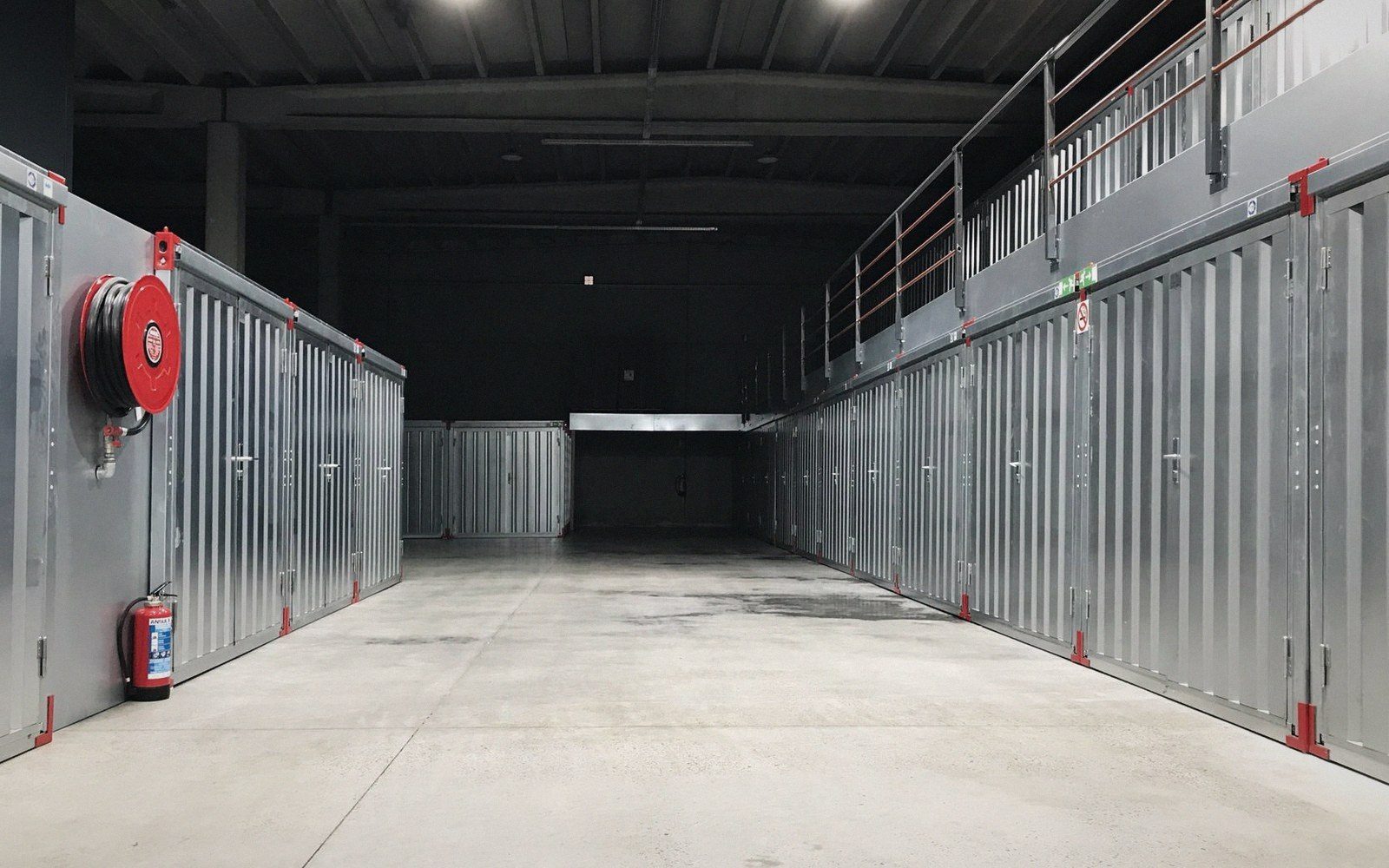
A freeport is not a port and is rarely near the sea. It is a bonded warehouse operating inside a special customs zone — legally outside a country's fiscal territory even though it sits physically within its borders. Goods held there have not, in the language of customs law, been "imported." No import duties apply, and in most jurisdictions value-added tax or its equivalent is suspended for as long as the work remains inside.
That suspension is the whole mechanism. A collector buys a painting at Art Basel, ships it directly to the Geneva Freeport or the Luxembourg Freeport, and the VAT clock never starts. The work enters a kind of fiscal parenthesis: owned, insured, sometimes traded again, but never officially arriving anywhere. When it finally leaves — to a home, a museum loan, a new owner in a different country — the relevant taxes become due. Until then, they wait.
02What Freeports Actually Provide
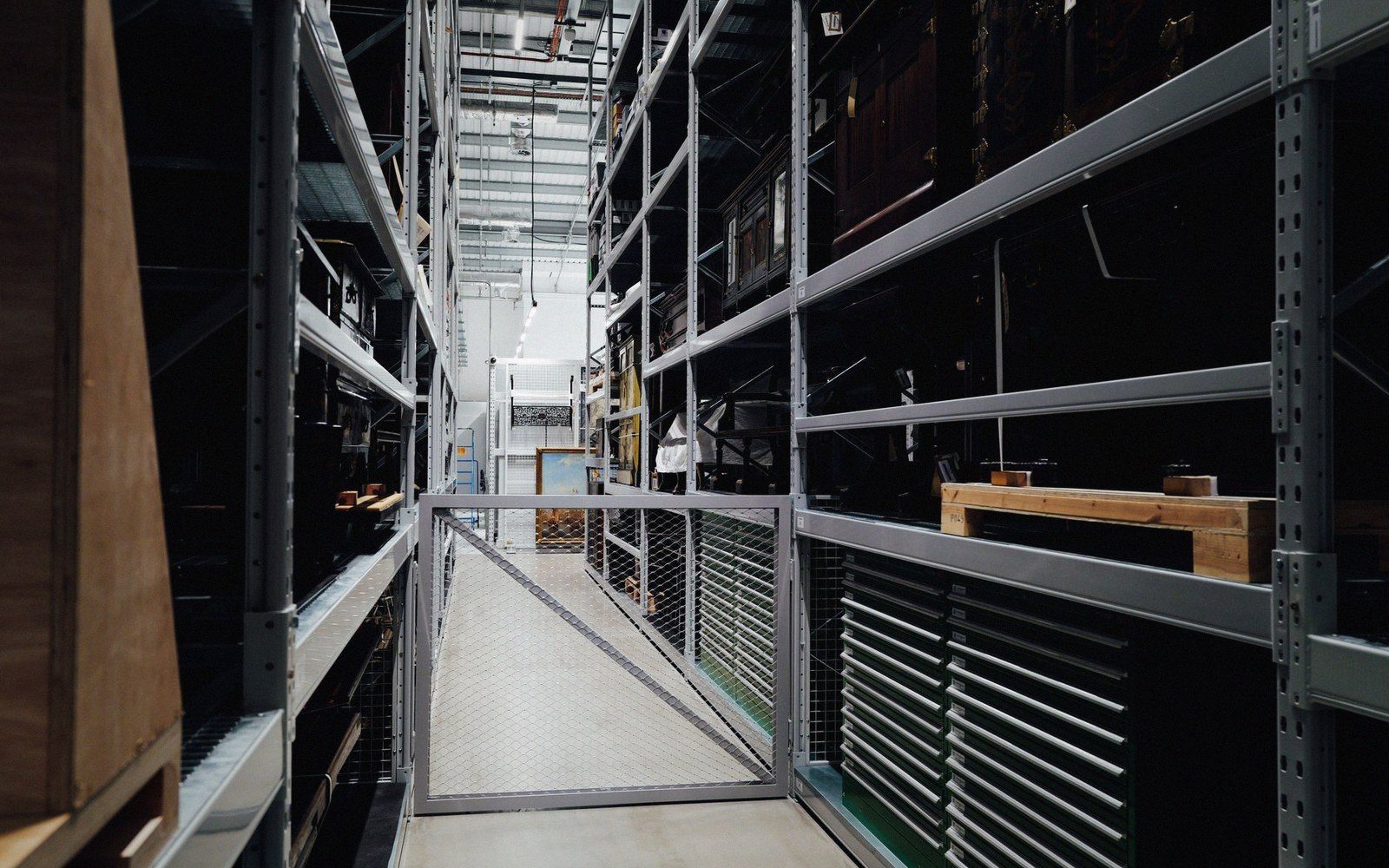
The facilities themselves are not dark corners. The Geneva Freeport, the largest and oldest of those associated with the art trade, has been operating in some form since the nineteenth century and now holds an estimated one million works. It contains conservation studios, climate-controlled racking at museum specification, viewing rooms, and staff who handle works of the kind rarely moved without white gloves. The Luxembourg Freeport, opened in 2014, was purpose-built with the art trade in mind and offers similar infrastructure. Singapore's freeport, which opened in 2010 adjacent to Changi Airport, was designed explicitly to position the city-state as an Asian hub for the trade.
Galleries use them for practical reasons that have nothing to do with tax. A work sold in one city and re-consigned from another, or a work travelling between fairs without returning to the gallery, can be routed through freeport storage without triggering a series of small customs events. The logistics simplify. A work can be viewed by a potential buyer, re-hung, photographed, or handed to a conservator, all within the zone. These are genuine operational advantages, not just fiscal ones.
That said, the tax advantages are substantial, and they have attracted sustained scrutiny. A series of investigations by European parliamentarians and journalists in the 2010s established that some freeports were functioning less as logistics hubs than as long-term holding facilities, allowing collectors to defer tax indefinitely while treating stored works as investable assets. In 2016, following pressure from the European Commission, Switzerland tightened the rules on how long goods could remain in bonded storage under the most favourable conditions, and required operators to maintain more detailed records of what they hold and who owns it.
The anti-money-laundering dimension is distinct from the tax one, but the two are related. Because works in a freeport can change hands without leaving the building — legally, the transaction is two parties agreeing a price while the object stays on the same rack — the paper trail can be thin. Beneficial ownership is not always straightforward. The EU's successive anti-money-laundering directives, and equivalent legislation in the United Kingdom following Brexit, have pushed art market participants including freeport operators toward greater disclosure. Progress has been uneven.
That said, the tax advantages are substantial, and they have attracted sustained scrutiny.
03The Market's Relationship With Scrutiny
For galleries and their clients, the freeport is mostly a tool, and usually an uncontroversial one. A work stored in Geneva between a sale in New York and a delivery in Tokyo is sitting in a freeport because the alternative — a sequence of import declarations, duty payments and reclaims across multiple jurisdictions — is cumbersome and expensive. The mechanism exists because cross-border trade in physical goods is complicated, and the art trade has cross-border trade at its structural centre.
What the scrutiny has changed is not the existence of freeports but their opacity. Operators now collect and retain more information about beneficial ownership. Dealers and auction houses operating within the zones face the same due-diligence obligations as those operating outside them. The fiscal parenthesis is still open, but it is no longer entirely undocumented.

The works themselves, meanwhile, sit in their racks at controlled temperature and humidity, in facilities that, as the wider fact that most art is in storage demonstrates, are the true resting state of the market. A freeport is a particularly well-administered version of a condition that applies almost everywhere: the art is somewhere careful, and nobody is looking at it.
Consignment is an independent publication about the art market. It is not a gallery, fair, dealer, auction house or advisory service.