01The edit is the argument
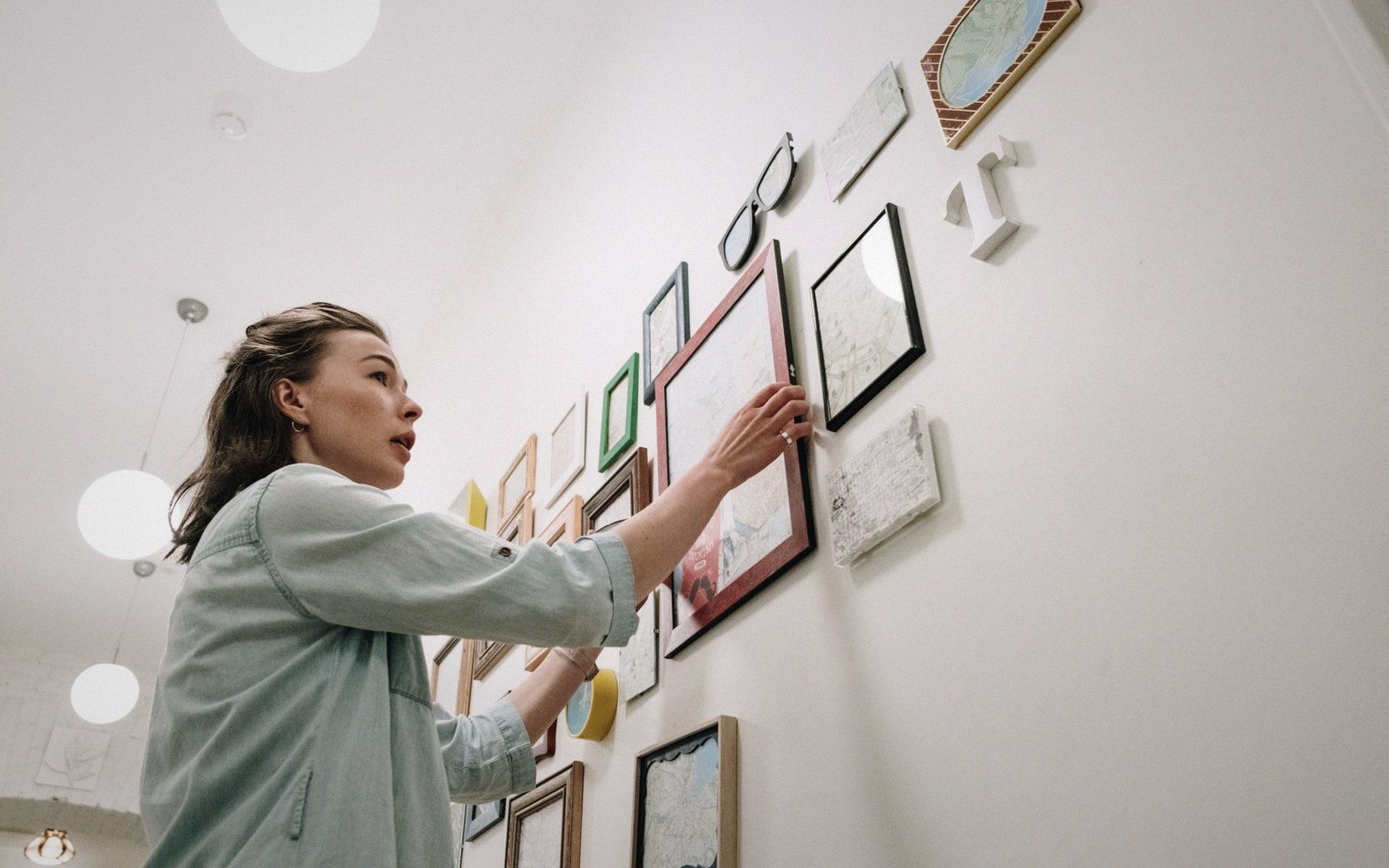
A fair booth is not a room in a gallery. It is closer to a sentence — and a sentence has only so many words before it loses the reader. The average stand at a major fair runs somewhere between twenty and sixty square metres, which sounds generous until you count the works in transit and realise that hanging everything would be a disaster. The first decision — made well before any crate is opened — is what to leave out.
That decision is curatorial in the strict sense: it shapes meaning, not just appearance. A dealer arriving at setup with eight works for a six-work booth is already in trouble, because under pressure, with an inch-tape in one hand and a walkie-talkie in the other, the edit becomes reactive rather than intentional. The galleries that hang well tend to arrive with the selection already fixed, often with a scaled floor plan drawn up weeks earlier showing which work anchors which wall, where the sightlines fall from the aisle, and which piece a visitor sees first as they turn the corner. That first piece is load-bearing. It either pulls someone in or it doesn't.
02Sightlines, sequence and the logic of the room
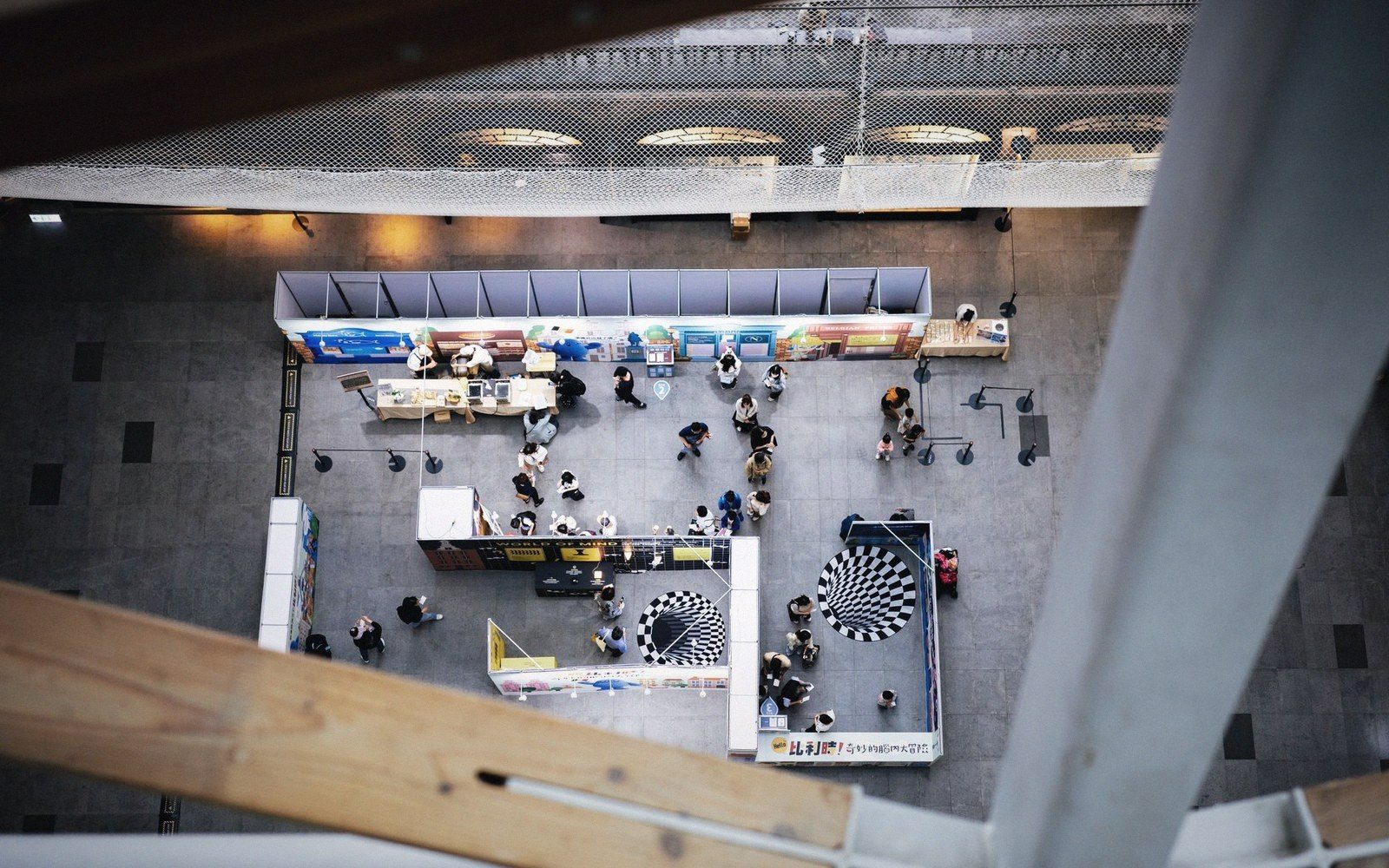
Walk any major fair — Art Basel, Frieze, TEFAF — and the booths that draw you in share a structural quality: there is a focal work at approximately eye level on the back wall, and the eye travels to it without obstruction. That sounds obvious. In practice, sculptural work in the centre of the booth, or a large horizontal canvas placed too low, can collapse the sightline entirely. The back wall is the most valuable real estate in the booth, not because it is largest but because it is seen from the aisle before a visitor has committed to entering. It earns that position.
Sequencing matters as much as placement. A booth is experienced in time — there is an order of encounter, and a thoughtful hang choreographs it. A small, intimate work placed deep in the booth rewards the visitor who crosses the threshold; it is a reason to step in. Works at the edges, near the booth's open face, need to handle the noise of the fair — visually active, assertive pieces that hold attention in a crowded corridor. The quiet work goes inside. This is not hierarchy; it is hospitality.
Height is another variable that gets underestimated. Standard gallery hang — centre of the work at roughly 150 to 158 centimetres from the floor — reads very differently in a temporary structure with three-metre walls than in a permanent room with high ceilings. Many galleries drop the hang slightly at fairs, because visitors are moving rather than standing, and the reading distance is often shorter. A work that breathes in a gallery can feel cramped in a booth if the hang isn't adjusted.
03What gets left in the crate
The works that don't make the wall are not failures. The edit is a service to everything that does hang. An overcrowded booth asks viewers to do too much work — to parse a dozen arguments simultaneously — and they tend to parse none of them. The standard at the better fairs is closer to one strong work per wall section than to a salon-style density, though there are deliberate exceptions: a dealer making an argument about accumulation or archive may hang tight and make that the point. The difference between intentional density and accidental clutter is legible to anyone who has seen both.
Works also stay in crates for practical reasons. Condition reports are made on arrival and the packing is often the safest place for a fragile work to wait. Works sold during the fair — and a proportion of sales at major events happen in the first hours, sometimes the first minutes — are sometimes replaced from a reserve held in the crate or at a nearby hotel suite. That back stock is not a failure of planning; it is the plan. A booth that can refresh itself mid-fair without looking depleted has more operational flexibility than one that arrives fully committed to its opening hang.
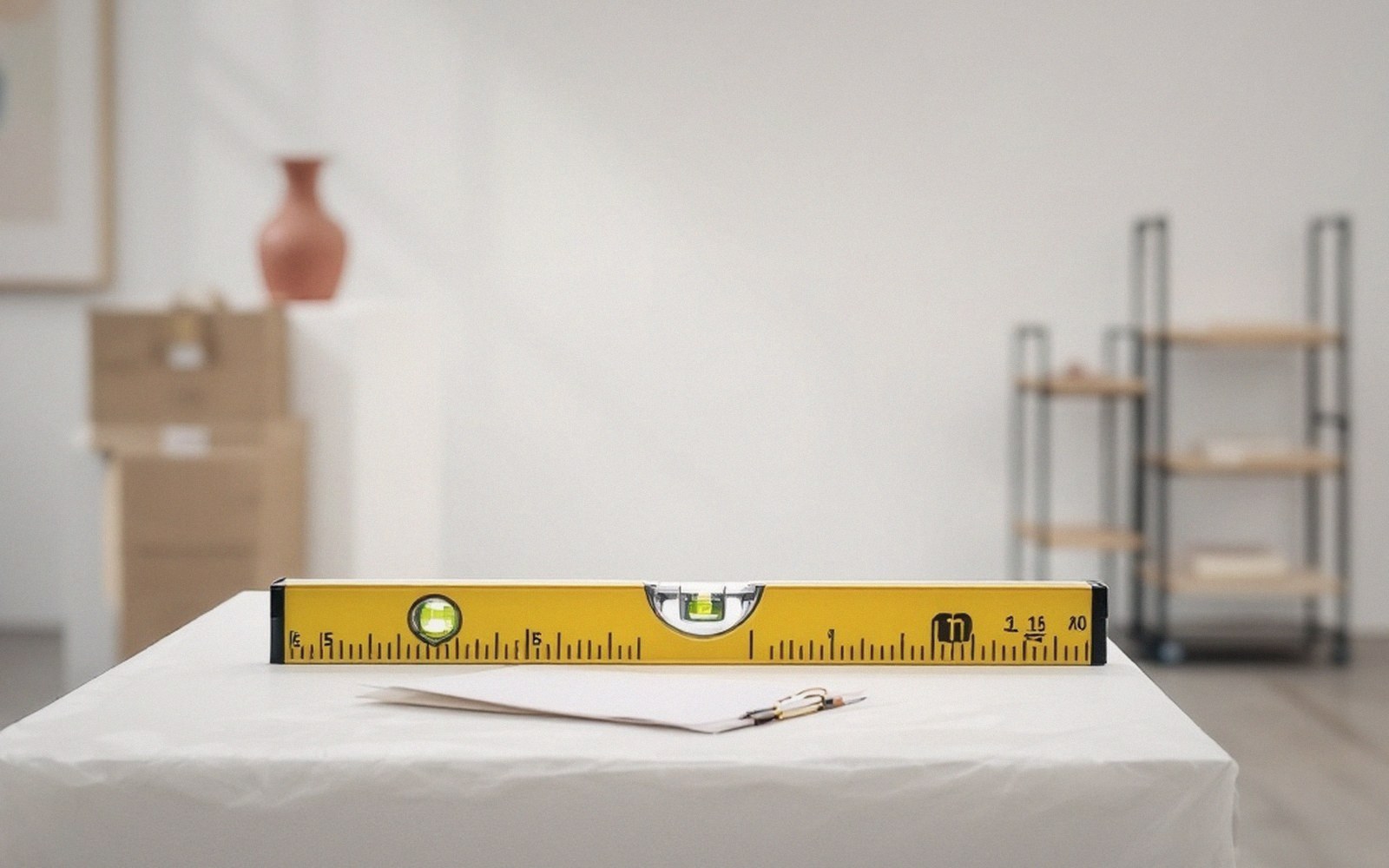
The physical act of hanging — drilling into temporary walls, running picture hooks into battens, levelling works with a laser while electricians are still overhead — takes longer than galleries new to the circuit expect. Setup windows are typically between twelve and thirty-six hours depending on the fair and the stand size. The teams that hang cleanly within that window are not rushing; they have done the thinking before they arrived. The floor plan, the edit, the hardware list, the order of operations: all of it is resolved before the crates are opened. The booth itself is the last step, not the first.
Three walls, a tight selection, and the sightline working before anyone steps inside. That is the argument. Everything else is logistics.
Consignment is an independent publication about how the art market works. It is not a gallery, dealer, fair, auction house or advisory service.