
01What the Coverage Is
The phrase is plain enough: nail to nail. Insurance begins the moment a work is lifted from the lender's or consignor's wall and ends when it is rehung at its destination, or returned and back in place. Between those two points — studio, crate, van, airport, fair booth, gallery — the policy travels with it.
This is the standard coverage expected by serious galleries, fairs, and institutional lenders. A gallery consigning work to a fair typically requires nail-to-nail coverage as a condition of the loan; a museum lending to a traveling exhibition will insist on it in the facility report. The alternative — stitching together separate policies for transit, storage, and display — creates gaps at exactly the moments of highest risk: the loading dock, the uncrating, the reinstallation.

Nail-to-nail is a form of fine art all-risk coverage, meaning it covers all causes of physical loss or damage unless specifically excluded. That last clause is where the policy earns its keep — or fails to.
02What It Excludes
"All risk" has never meant all risk. Standard exclusions in fine art policies include damage caused by inherent vice — the tendency of certain materials to deteriorate from within, regardless of handling. A crumbling pigment, a de-laminating photograph, a wax work that softens at room temperature: these are not insurable events, they are the nature of the material, and no policy covers them. Wear and tear, and gradual deterioration, are similarly out.
War and nuclear risk are excluded as a matter of course. Deliberate damage by the insured is excluded. Vermin are often excluded. And certain categories of extremely fragile or unstable work may require specific riders, with higher premiums and lower sublimits, if they can be covered at all.

The value declared at the time of coverage is what matters. If a work is insured at a figure set two years ago and the artist's market has moved significantly, the payout in the event of a loss may not reflect what the work would now cost to replace. Updating declared values is not automatic; it requires action from the policyholder, and it is frequently neglected.
03What It Costs, and Who Pays
Premium rates for fine art transit and exhibition coverage are typically calculated as a fraction of the declared value — often somewhere in a range from a fraction of a percent up to around one percent annually, depending on the work's medium, the destinations involved, the number of transits, and the insurer's assessment of the borrowing institution's security and climate controls.
Who pays is a matter of the loan or consignment agreement. In a fair context, the gallery generally insures its own works under its own policy or the fair's blanket policy, which exhibitors pay into through their booth fees. In a museum loan, the borrowing institution typically provides and pays for nail-to-nail coverage, confirmed in writing before the work ships. When that confirmation does not arrive, experienced registrars do not release the work.
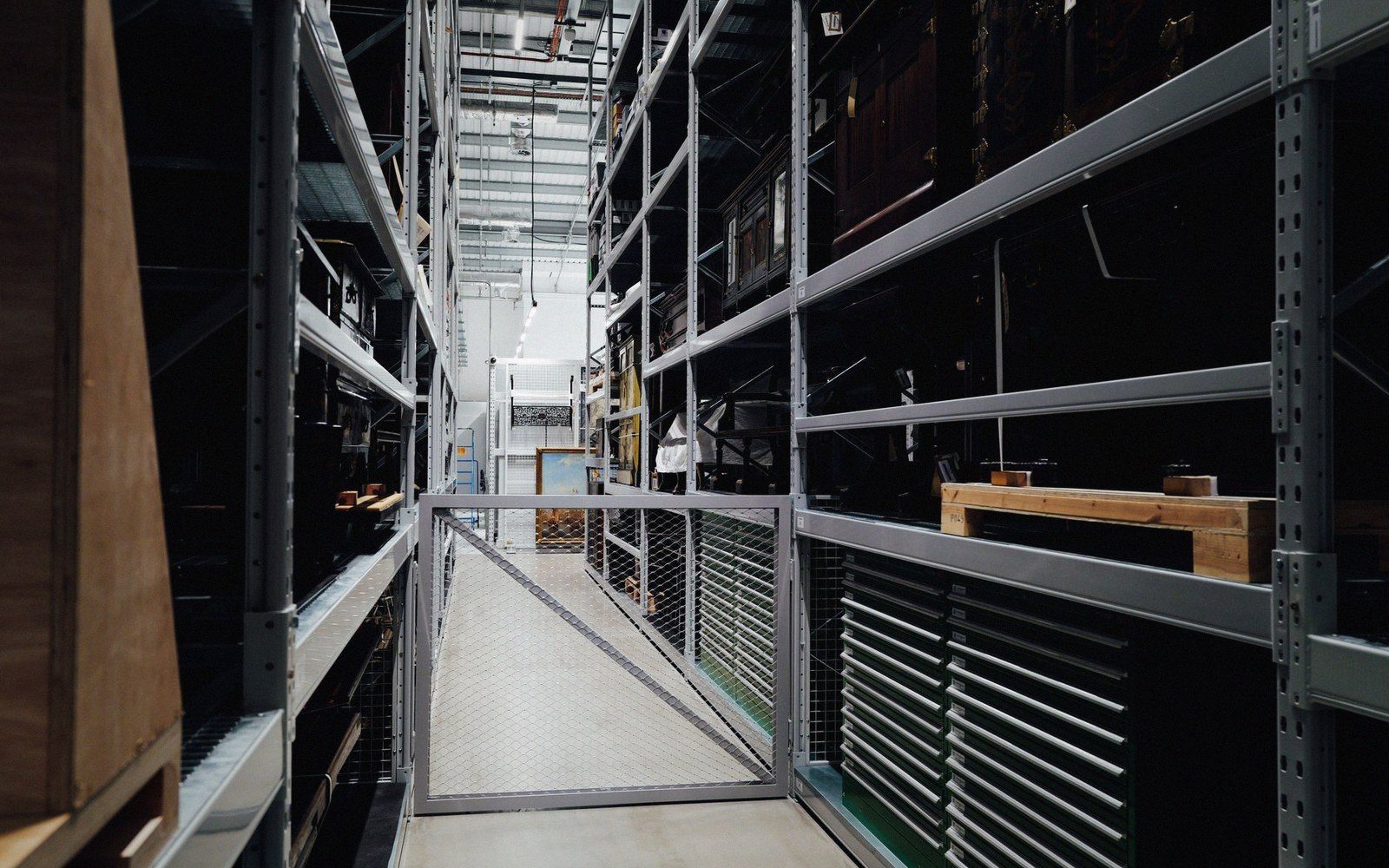
A condition report completed before packing is what makes any claim legible after the fact. Without a documented baseline — every scratch, every crack, every area of flaking — it becomes difficult to prove that damage occurred in transit rather than before it. The insurance is only as useful as the paperwork that surrounds it.
Consignment is an independent publication about how the art market works. It is not a gallery, fair, auction house, dealer or advisory service.